


|
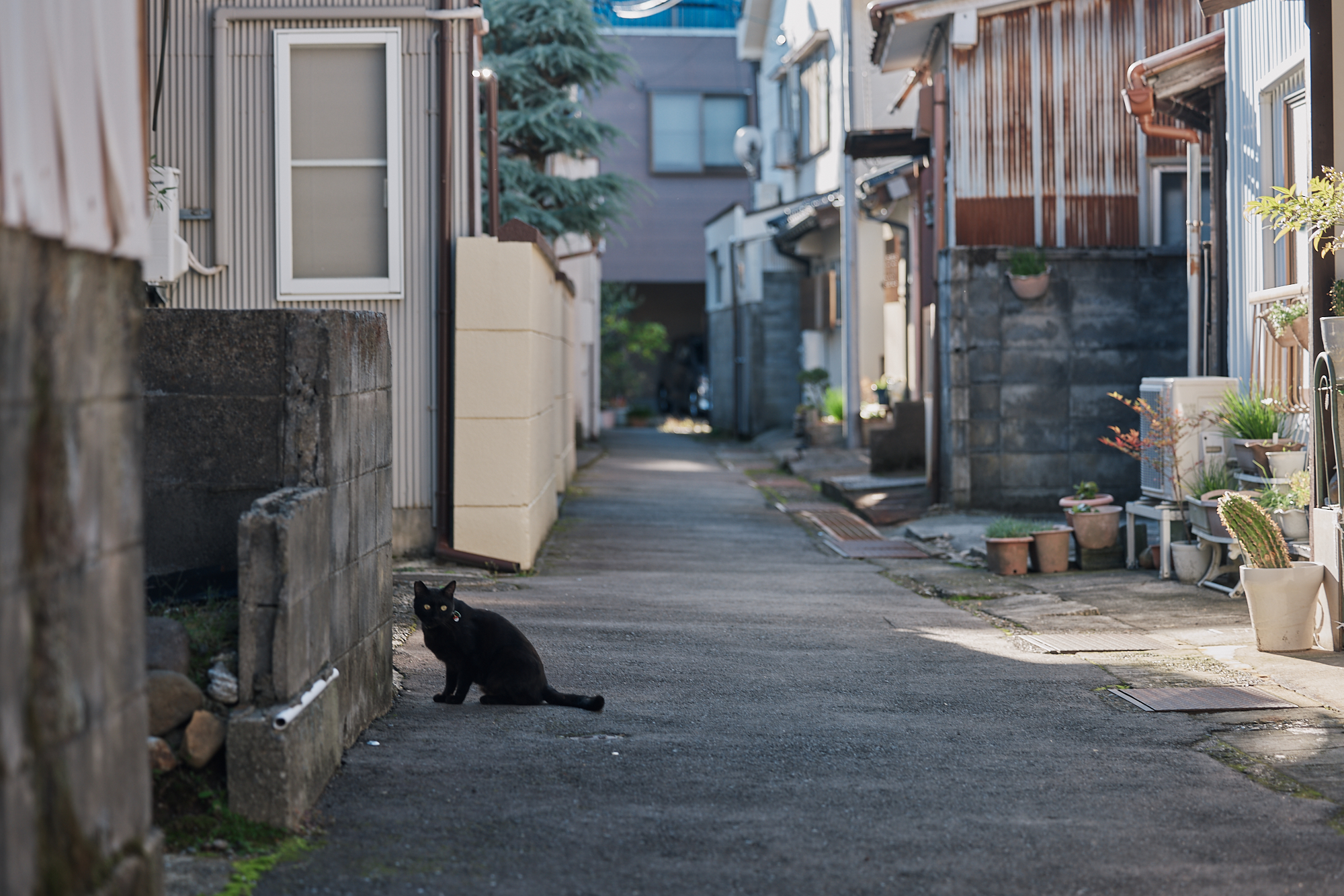
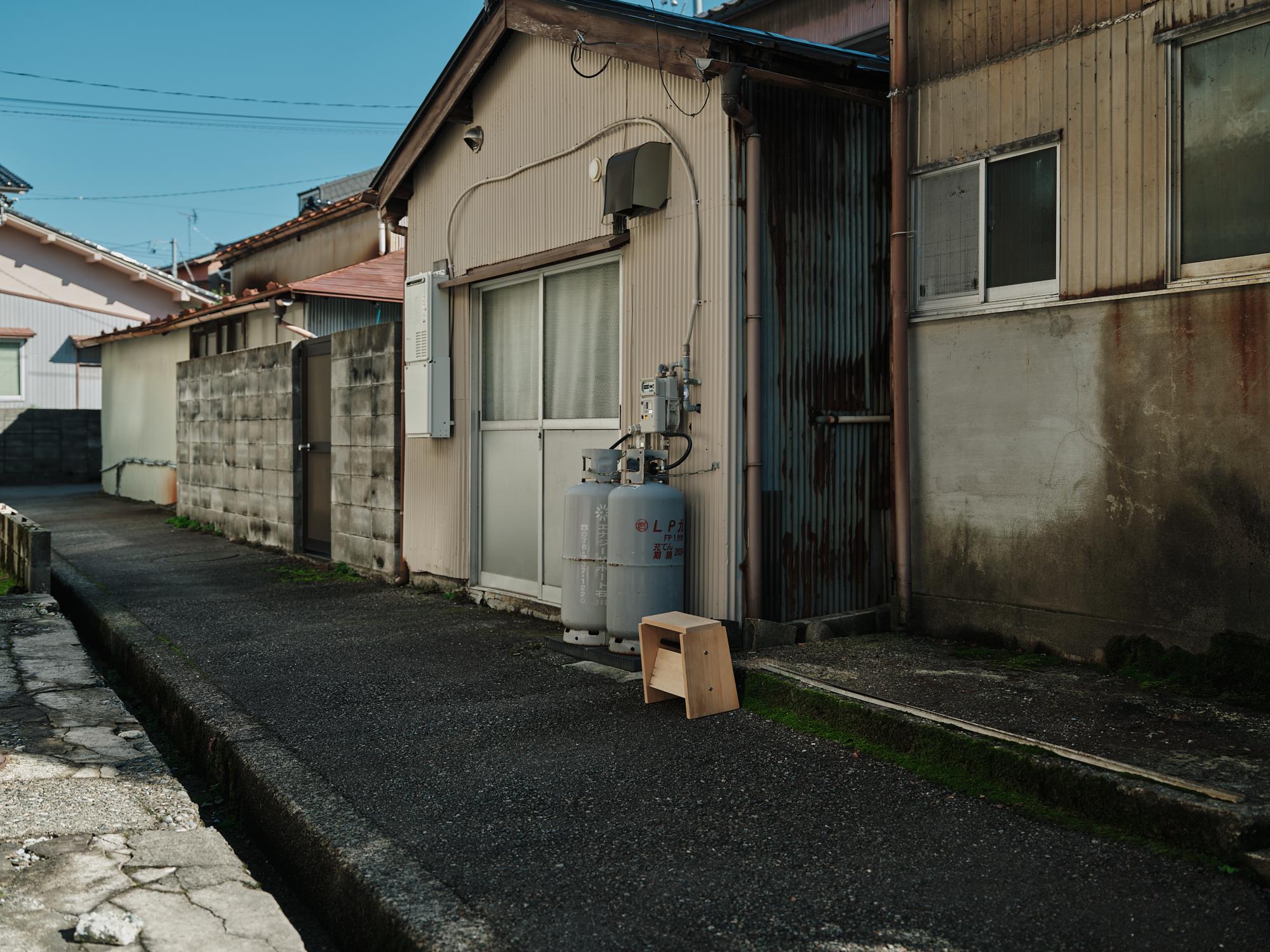
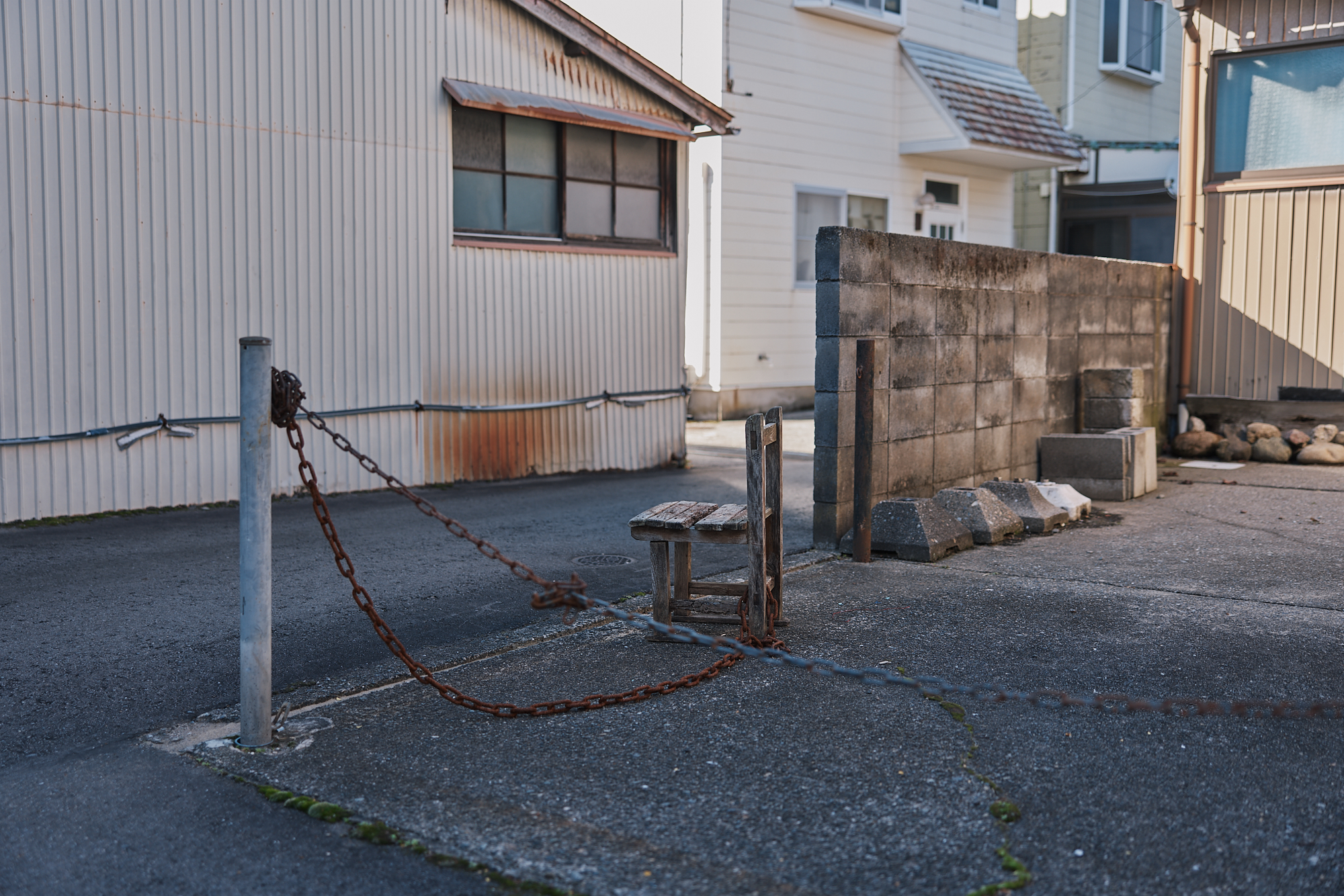
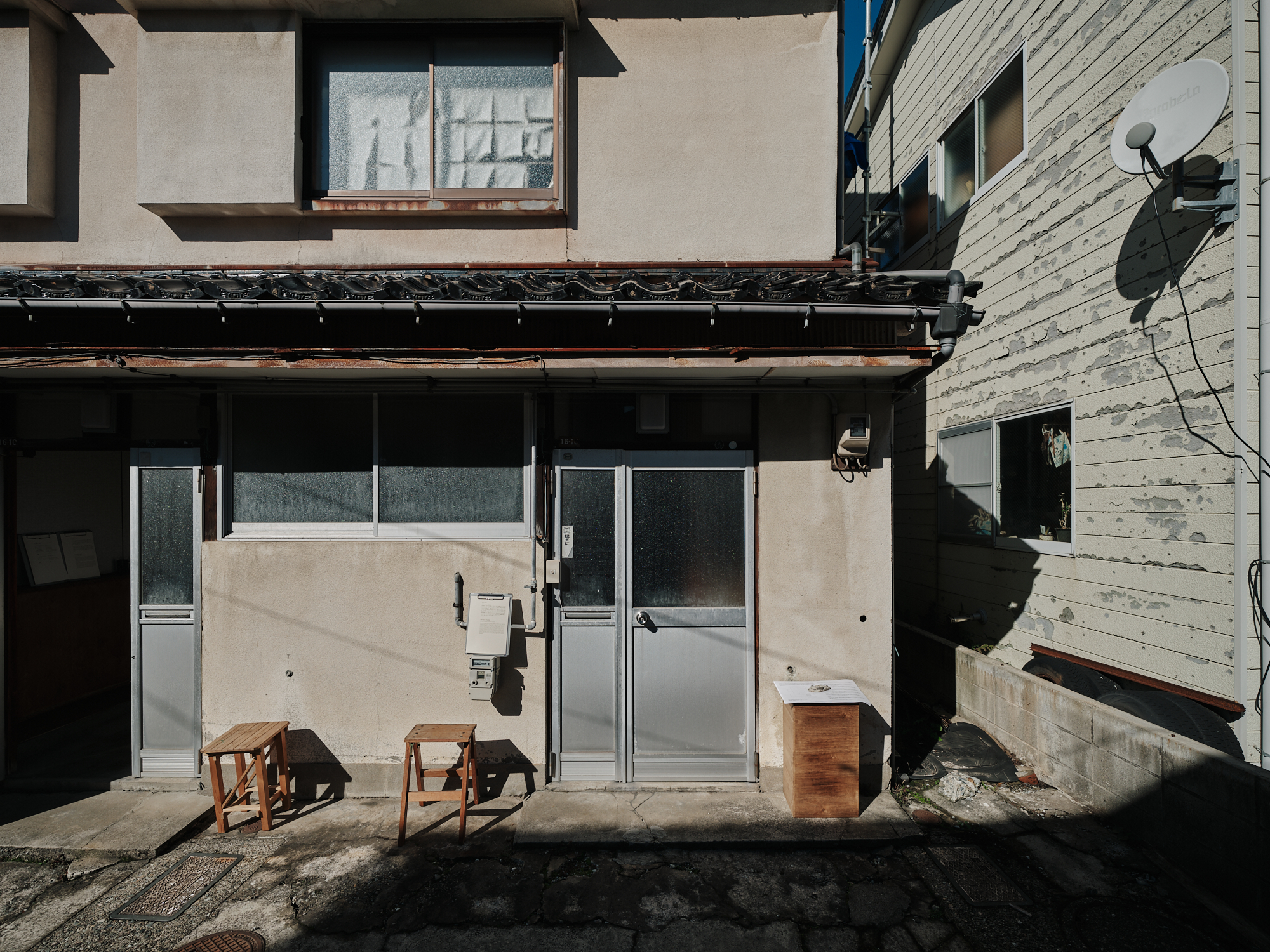
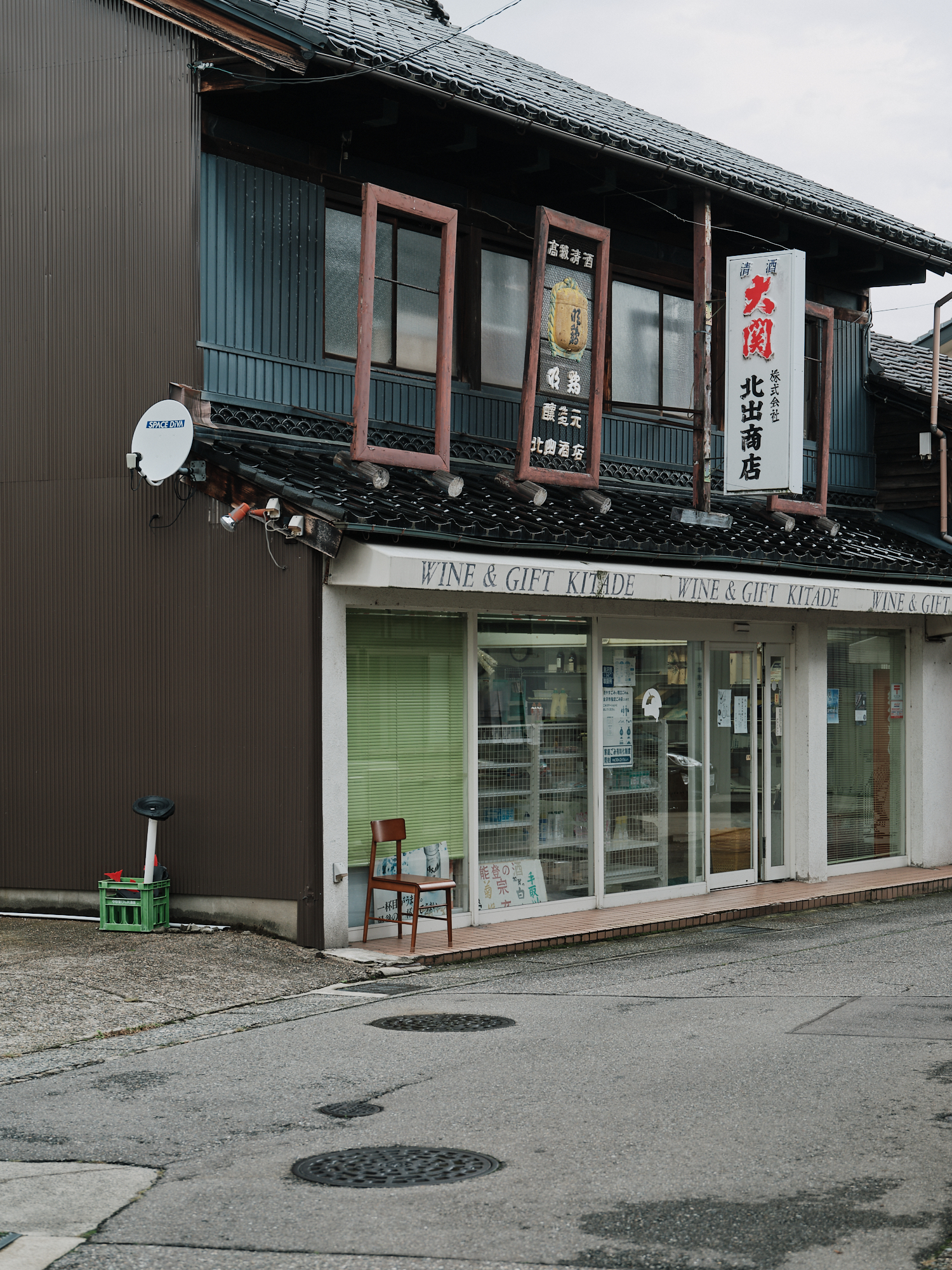
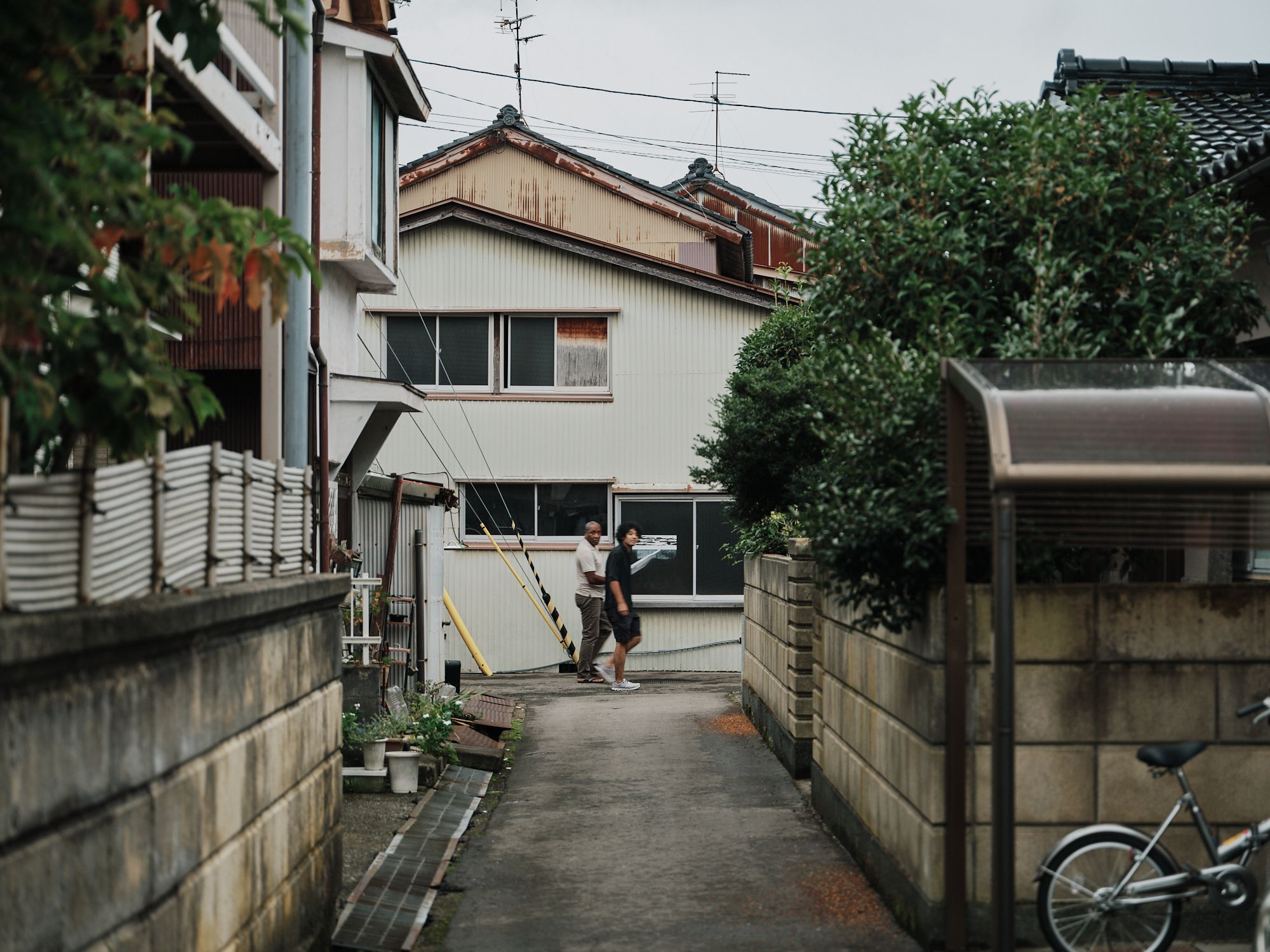
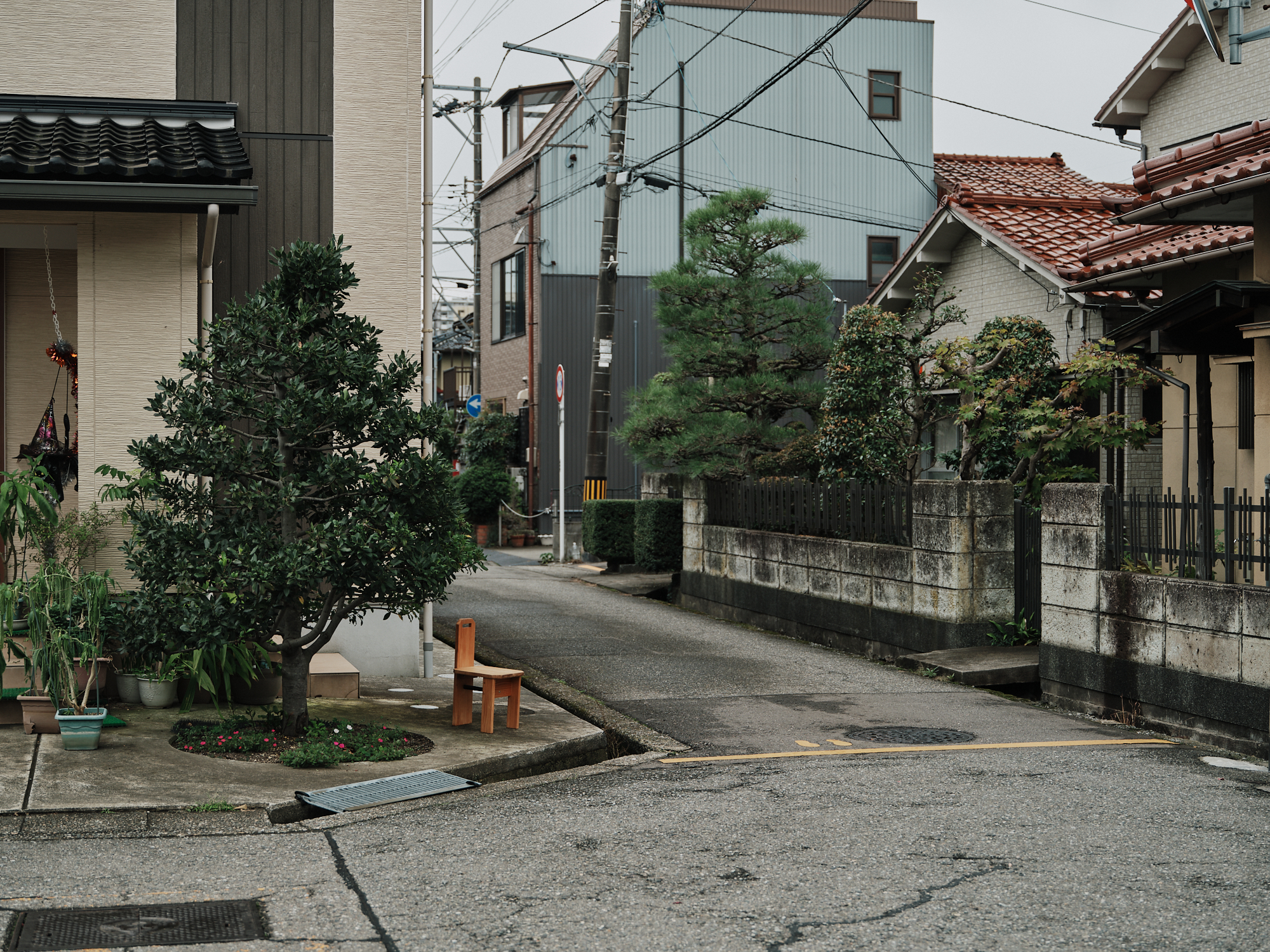
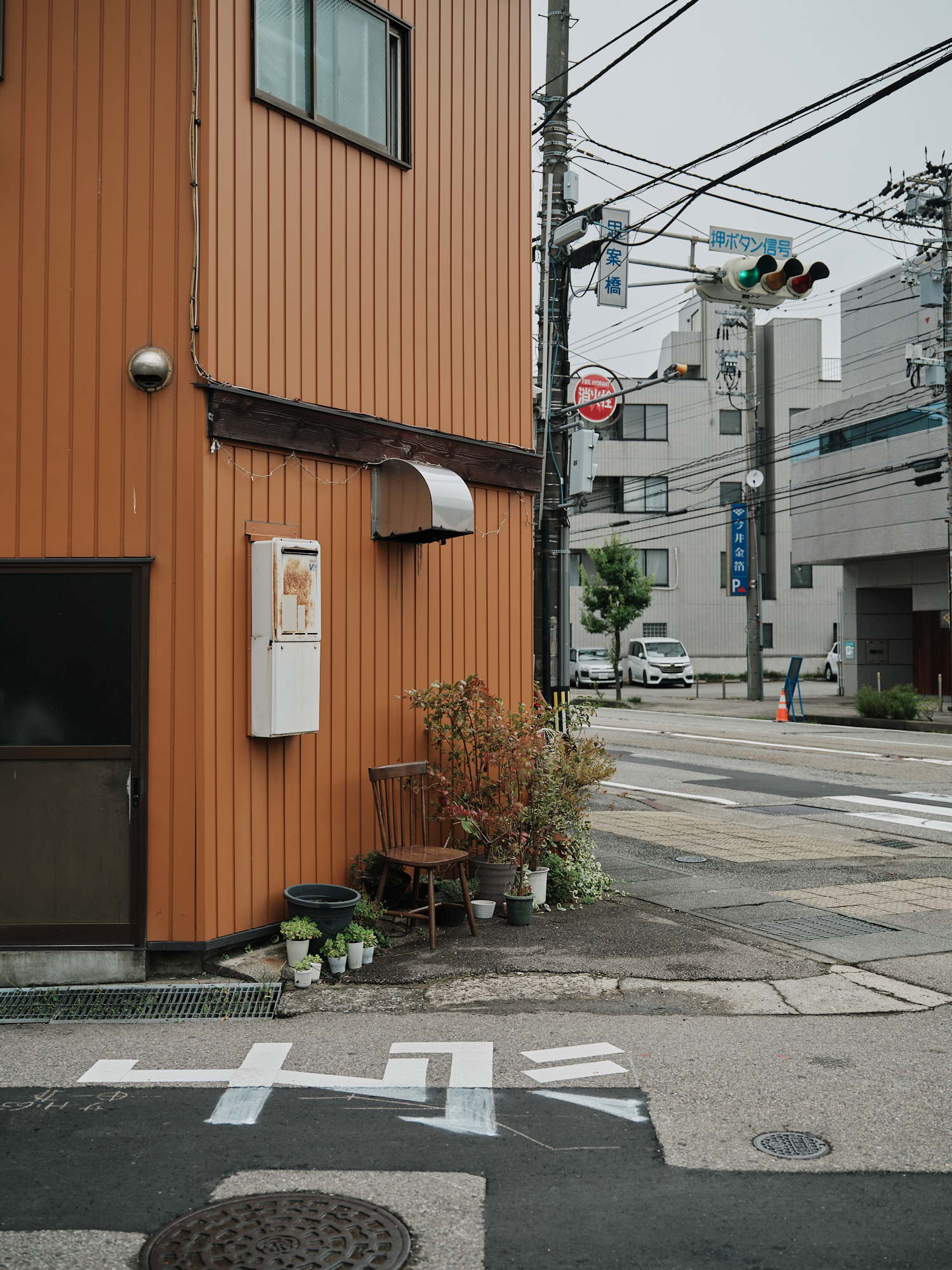
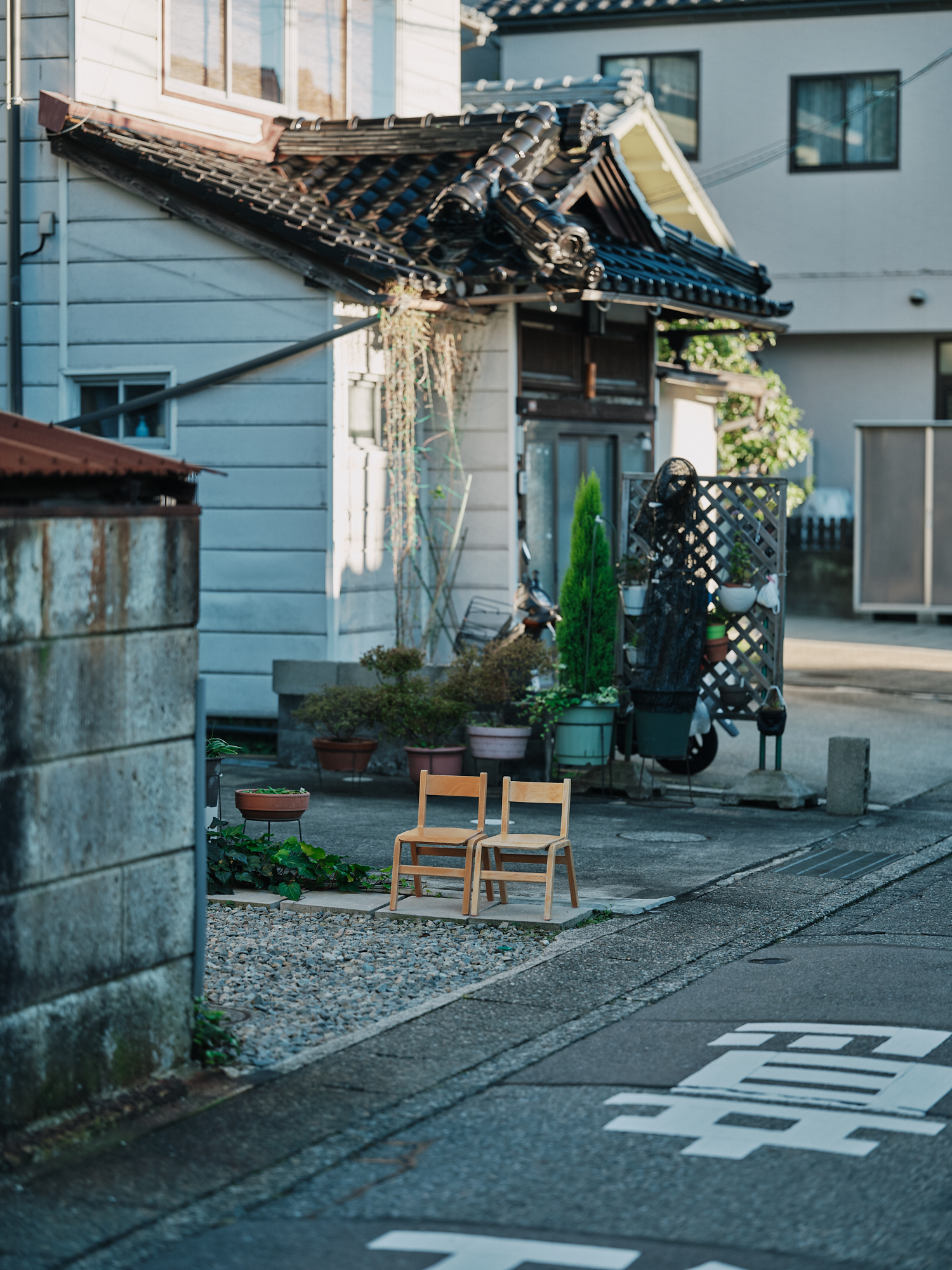
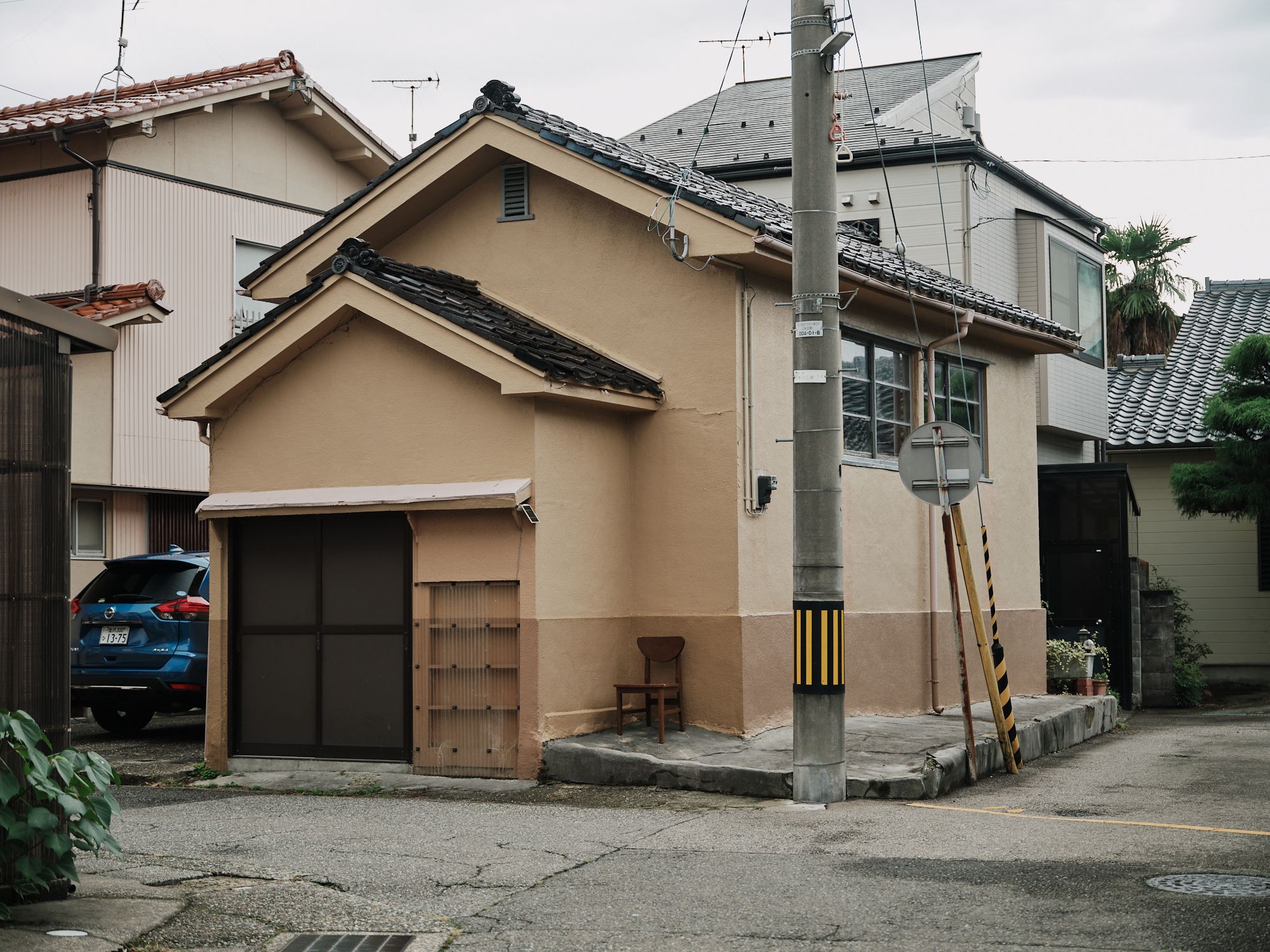
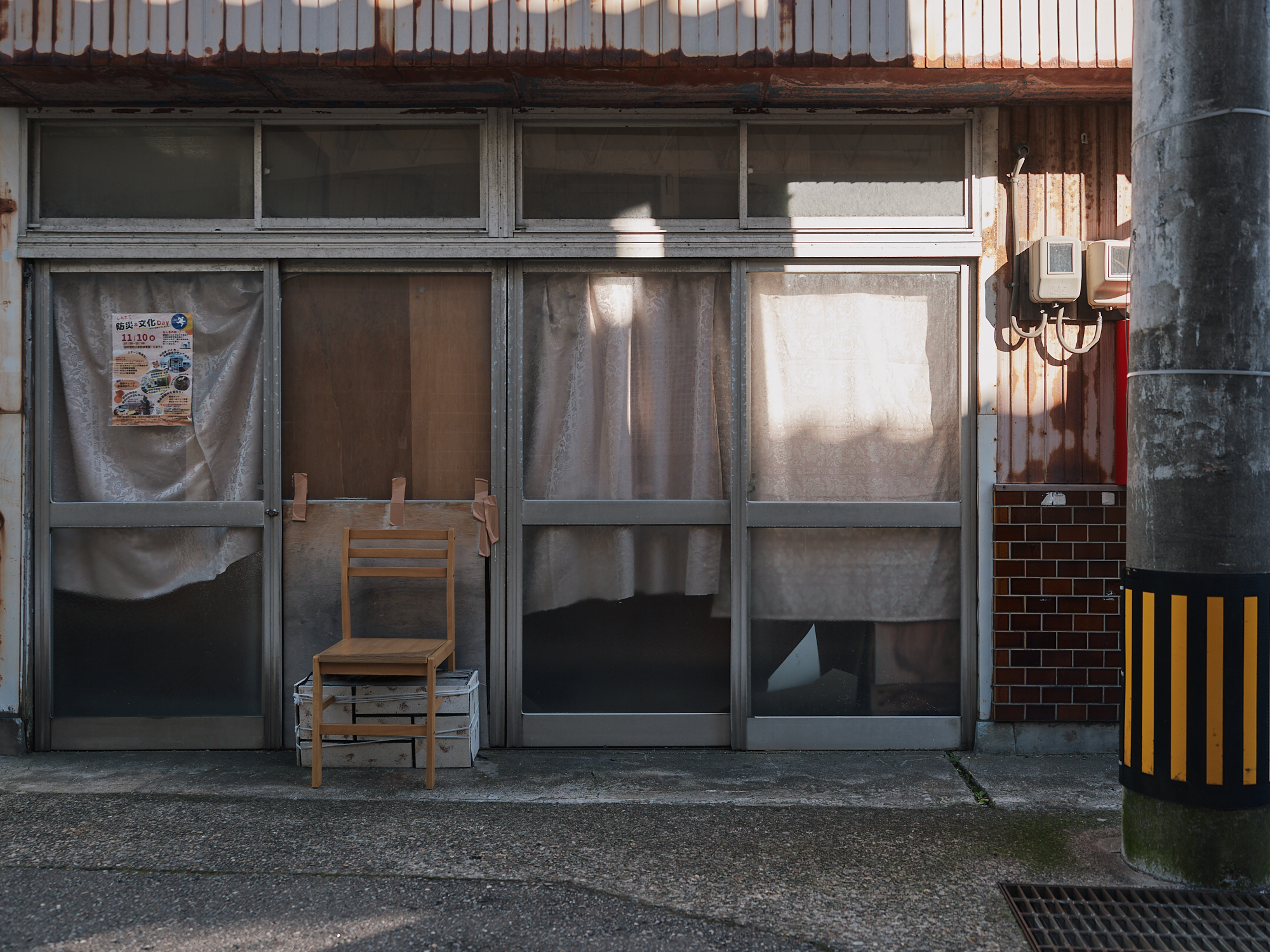
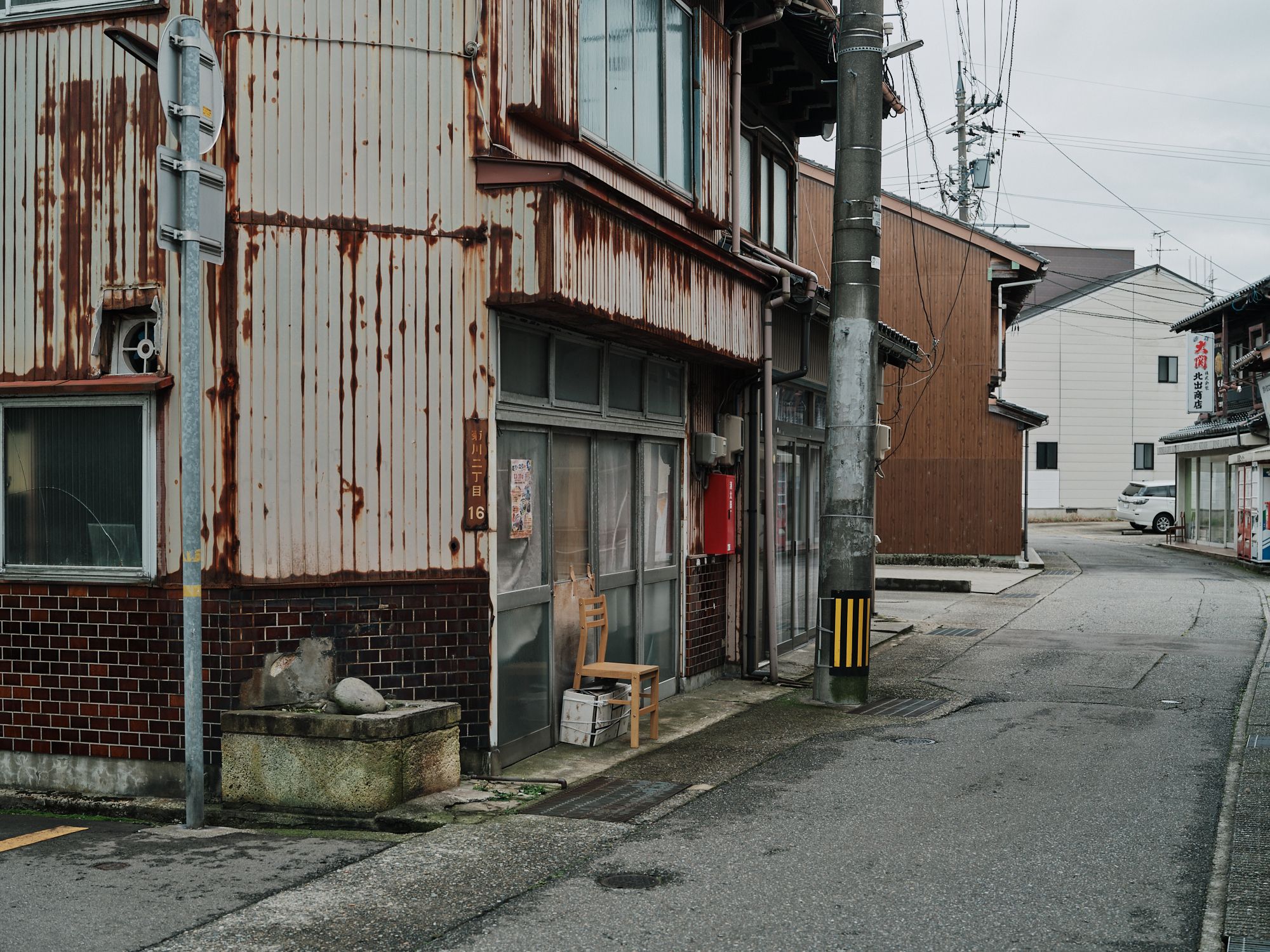
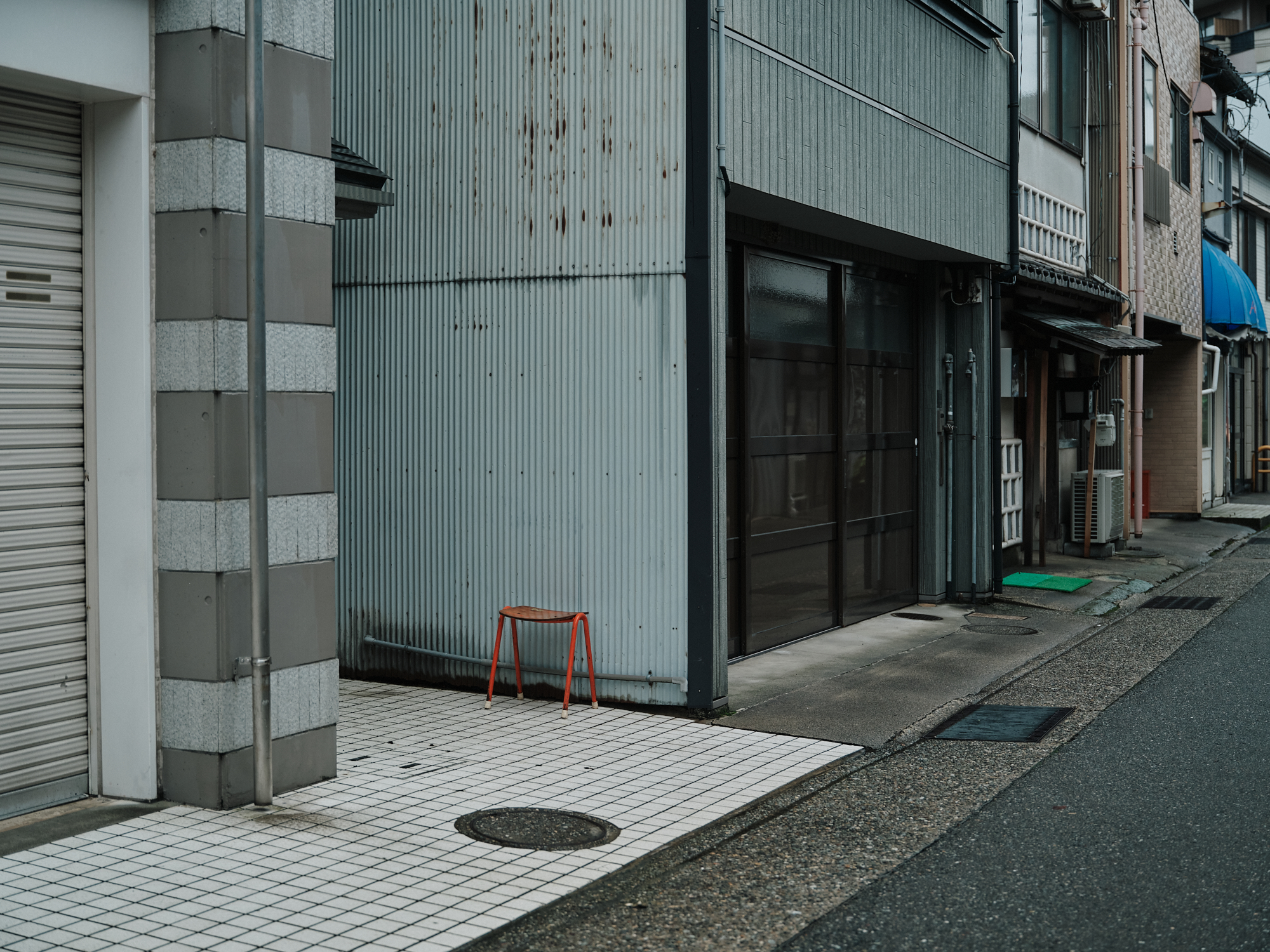
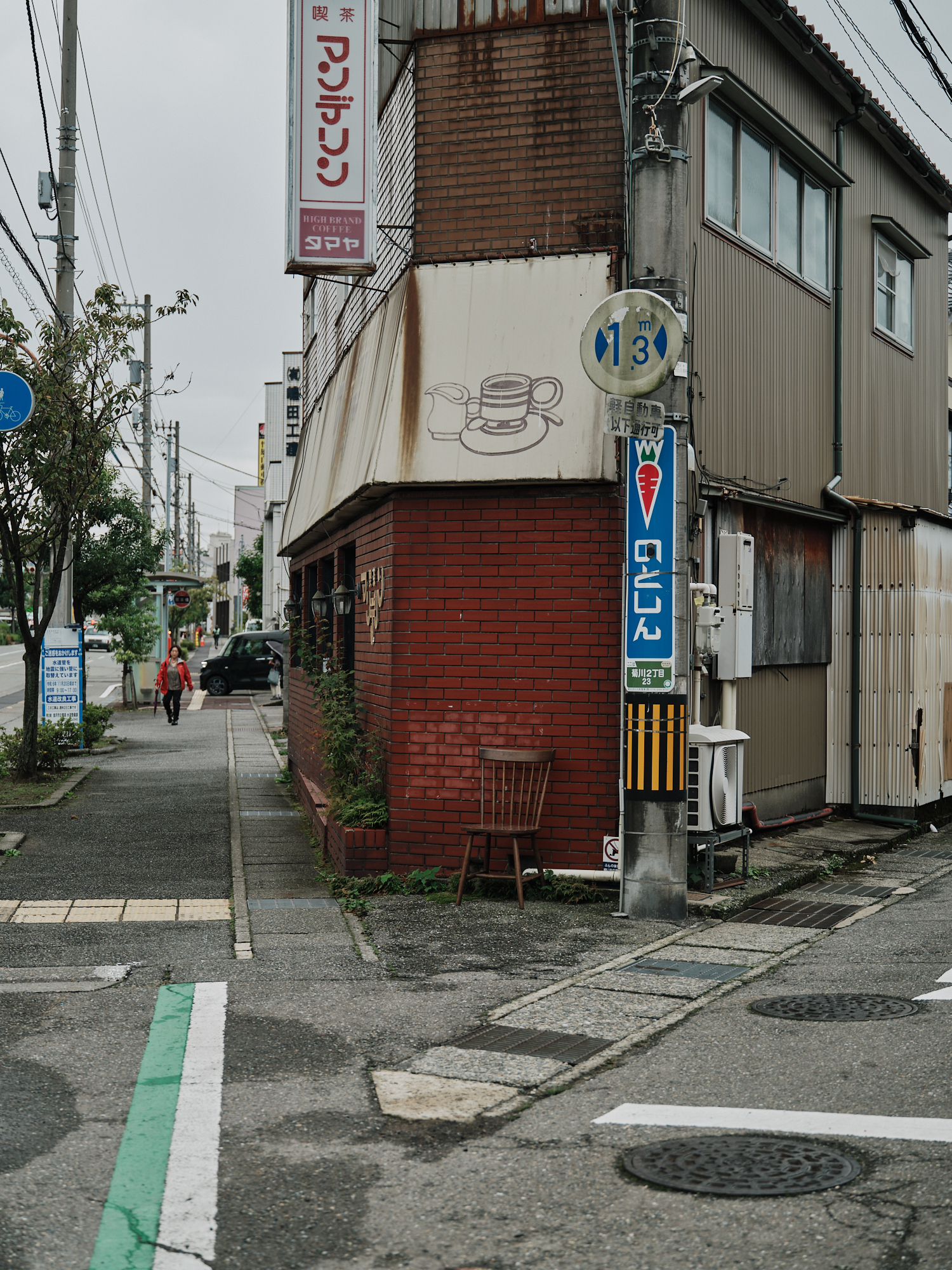
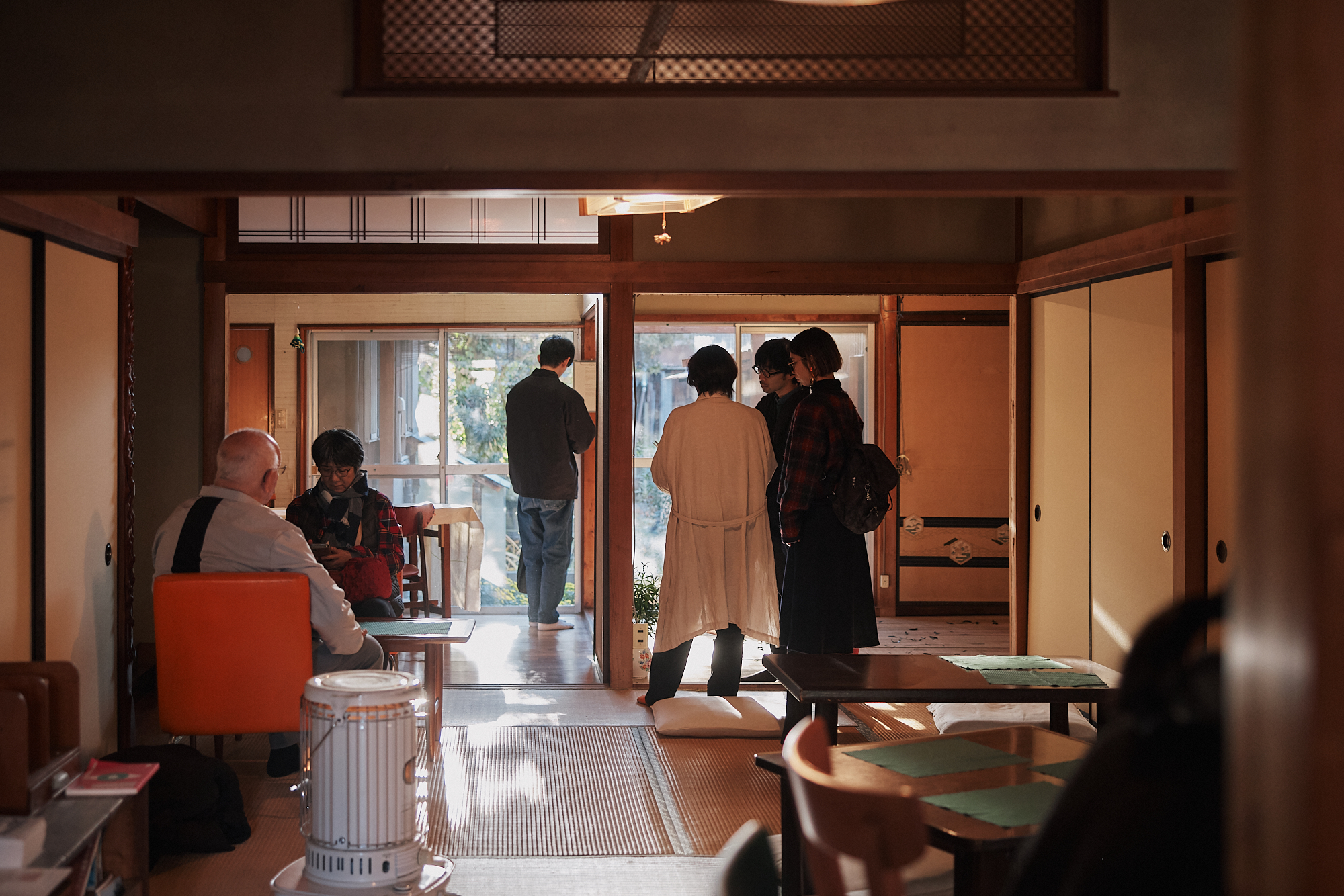
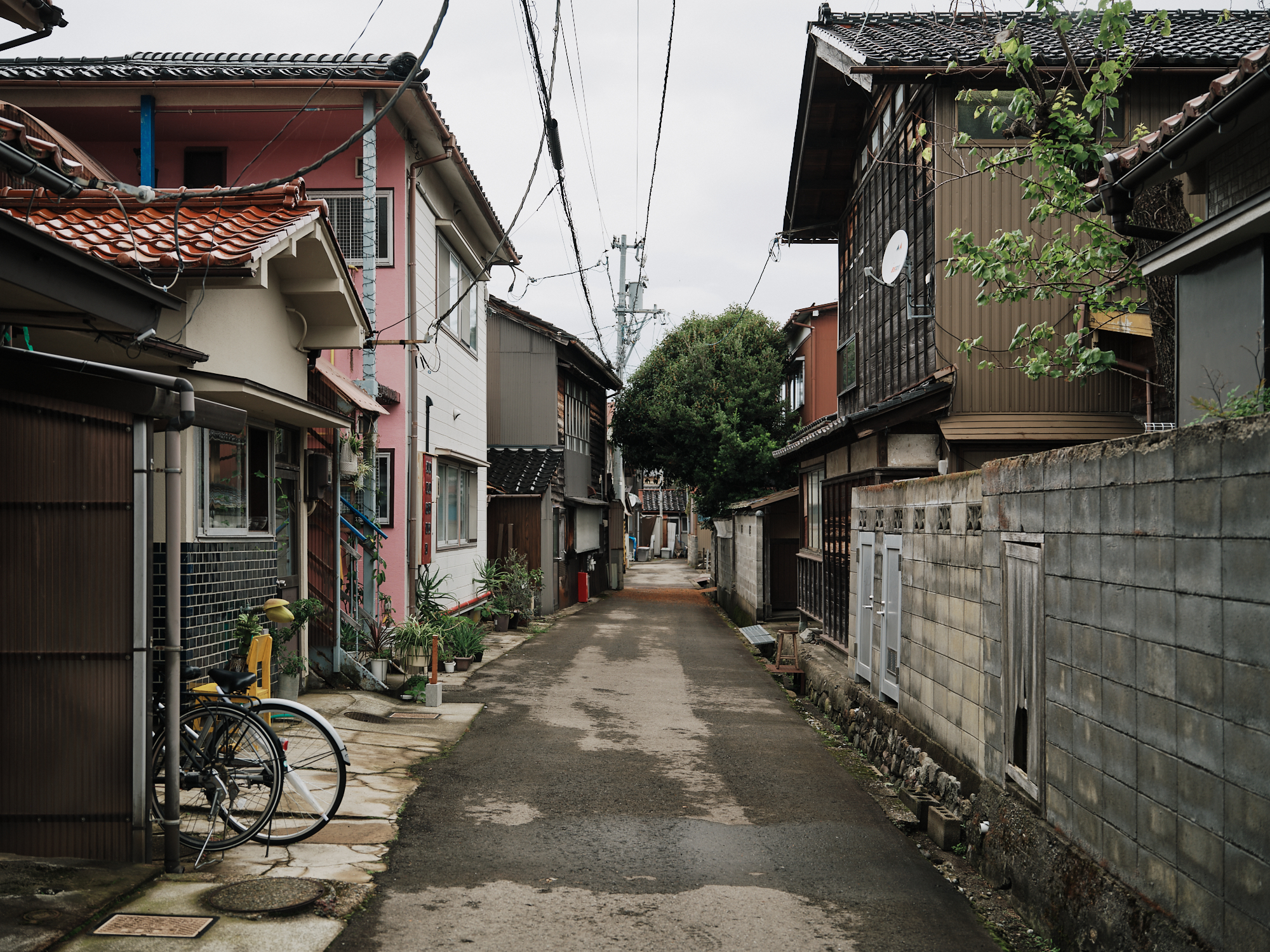
目印だった椅子 菊川の路上には日常の設えがあふれており、細く入り組んだ路地には迷い込むような感覚がある。そのような街で開催された会場点在型の展覧会で、サイン計画を担当した。 各会場をつなぐ動線について運営側と話し合うなかで、街をさまよう感覚を残すため、各会場に道先案内人(本展ではメディエーターと呼称)を配置して、作品解説のついでに次の会場までの道のりを口頭で案内してもらうことになった。来場者とメディエーターのコミュニケーションを前提にすれば、展覧会から矢印の書かれた看板や会場案内のマップをなくすことができる。とはいえ目印がないと不親切なので、路上に点々と椅子を配置することにした。 椅子は、それぞれの場所に合う色や形のものを集め、はじめからあったようにも、展覧会のために設けられたようにも見える置き方とした。地面の傾斜に合わせて脚を切ったものや、段差に合わせてひと手間加えたものもある。基本的には目印として使いやすい位置に配置したが、順路とは関係なく置いたものもある。 そもそも、菊川の路上には椅子がたくさん置かれていた。庭仕事でひと息つくため、通行人が休むため、境界のしるしなど、目的はさまざまである。そんな路上の椅子の量がいつもよりちょっと増えるという出来事そのものが面白いと思ったし、それだけで動線計画が成り立てば日常の風景に対してノイズになりにくく、かつ街をさまよう感覚も残せると考えた。 そうして会期中の菊川には、路上の椅子がやや増えた日常と、来場者が椅子を手がかりに各会場を巡る展覧会という、二つの時間が並走した。 一ヶ月にわたる展覧会が終わり、作品が撤収され、菊川には会期前の日常が戻っている。会期を終えた今も、いくつかの椅子は置いたままとなっている。場所が変わったものもあれば、倒れないよう手入れされたもの、朽ちていくもの、現場作業員が弁当を食べるために使っているものもある。そうして消えつつ生まれつつある日常に取り込まれていくことが、菊川という街で展覧会を開催する理由だったように思う。 The chairs used as markers The streets of Kikugawa are filled with the quiet arrangements of everyday life made by local residents, and the many narrow, winding lanes invite a pleasant sense of getting lost. We designed the signage plan for an exhibition utilising several existing buildings in such a town. Through discussions with the organisers about the flow plan that connects each venue, we prioritised the experience of wandering through the town to station a guide (referred to as a mediator in this exhibition) at each venue who would not only introduce the artworks but also give verbal directions to the next location. By grounding the experience in communication between visitors and mediators, there was no need for maps or bold, arrow-marked signage. Nevertheless, it is too confusing without any markers, so we decided to place chairs here and there along the street. Each chair was chosen for its colour and form to suit its surroundings, and placed as if it had always been there, but also placed as if it was set up for the exhibition. Some had their legs cut to match the slope of the ground; others were slightly adjusted to fit the steps or uneven surfaces where they stood. Most were positioned where mediators stationed at each venue could easily point them out while guiding visitors from the doorway. However, a few were placed in front of shops or houses, independent of the exhibition route. Usually, there are many chairs placed along the streets of Kikugawa. Their purposes varied: for gardeners to take a breather, for passersby to rest, or as boundary markers. We found the idea of increasing the number of these street chairs slightly more than usual to be silly and funny. Furthermore, we thought that if such a small intervention could establish the exhibition's flow plan, it would be less likely to disrupt the everyday scenery while still preserving the sense of wandering through the town. During the exhibition, two forms of time coexisted in Kikugawa: the ‘everyday time’, in which a few more chairs than usual appeared along the streets, and the ‘time of the exhibition’, in which visitors gently followed those chairs as quiet guides along their path. Now that the month-long exhibition has ended and the artworks have been removed, everyday life has returned to Kikugawa. Even now, several chairs remain on the street. Some have been relocated, others are maintained to prevent collapse, some are decaying, and some are used by field workers to eat their boxed lunches. As we felt how chairs were gradually assimilated into that everyday life that is vanishing while being born, we thought this was the reason for holding the exhibition in such a town, Kikugawa. 展覧会:消えつつ 生まれつつ あるところ|会期:2024年10月19日〜11月18日|主催:特定非営利活動法人綴る|助成:ハウジングアンドコミュニティ財団 Federal Ministry Republic of Austria. Arts, Culture, Civil Service and Sport アイスタイル芸術スポーツ振興財団 澁谷学術文化スポーツ振興財団|キュレーション:中森あかね 清水冴|アシスタントキュレーター:笠間亜理沙|サイン計画・インストール/山本周 頼安ブルノ礼市|デザイン:神子澤知弓|写真:Nik van der Giesen|公式ウェブサイト|展覧会記録集の購入はこちら |